 En
 De
 Nl
 It
 Pl
 Es
 Fr
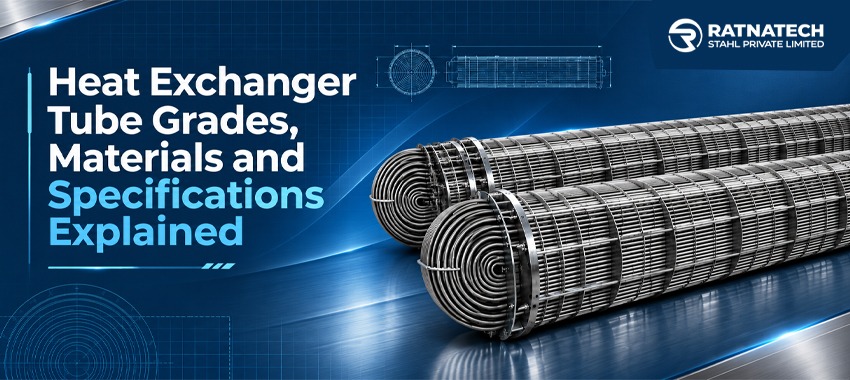
Heat Exchanger Tube Grades, Materials and Specifications Explained
Heat exchanger tubes are crucial parts of machinery that facilitate the transfer of heat between two fluids without mixing. Heat exchanger tubes have applications in chemical plants, refineries, power plants, condensers, and all kinds of other industrial machinery. Factors affecting heat exchanger performance include material used, corrosion resistance, dimensional accuracy, and others.
When choosing a heat exchanger tube, selecting the appropriate stainless steel grade, manufacturer type and technical parameters is very important. For those who want to find a high-quality heat exchanger tube manufacturer, these points should also be considered.
Understanding Heat Exchanger Tubes
Heat exchanger tubes transfer heat from one fluid to another. They are generally located inside heat exchanger tubes and a hot fluid moves through one tube and a cold fluid through another.
These tubes have a specific material and size which will give off a particular heat transfer performance, and they will be able to withstand specific pressures and last a certain amount of time. The operating temperature, as well as the fluid being pumped through and whether or not it contains harmful elements, needs to be accounted for in the tube selection process.
Heat exchanger tube manufacturers provide a variety of materials, grades and sizes to meet the needs of industrial heat transfer equipment.
Usually Used Materials in Tubes of Heat Exchanger
Besides the tube diameter the tube material is another very important criterion you must think of. Use the right material for the given service factors for best corrosion resistance, temperature and strength.
1. Stainless Steel
Commonly used stainless steel is often highly corrosion resistant, strong and suitable for many different environments. As stainless steel is available in a number of different grades, different alloys can be used for heat exchangers based on the specific fluid properties or temperature conditions.
The most common stainless grades are 304, 304L, 316, 316L, 310, 321 and 347. They are generally used in chemical processing, pharmaceutical equipment, condensers and industrial heat exchangers.
2. Duplex Stainless Steel
Duplex stainless steels, which consist of austenitic and ferritic microstructures, are stronger than traditional austenitic stainless steel grades and also exhibit good resistance to several types of corrosion.
Grades like duplex 2205 are potential candidates for heat exchanger applications for chloride-containing environments and severe service.
3. Nickel Alloys
Nickel alloys are used in specialised heat exchangers that are subject to high corrosion-resistance, high temperature operation or corrosive chemical resistance requirements.
The metallurgy must be suitable for the service conditions, process fluid and engineering specification.
Important Stainless Steel Grades for Heat Exchanger Tubes
Knowing all the grades of stainless steel allows buyers to decide the most relevant material for their industrial application. All grades possess different chemical and mechanical properties.
Stainless Steel 304, 304L
This is the most common types of austenitic stainless steel and provides good all-round general corrosion resistance as well as good fabricability. 304 is suitable for heat exchanger service in moderately corrosive conditions.
304L has less carbon content than regular 304. Grade 304L is often used in applications where welding may occur and where there is a desire for lower intergranular corrosion.
Stainless Steel 316 and 316L
Stainless steel 316 is alloyed with molybdenum in order to improve pitting and crevice corrosion resistance, especially in chloride environments.
Grade 316L has a lower carbon content and is used where increased resistance to sensitisation after welding is desirable.
These grades are typically used for chemical processing equipment, industrial condensers and heat transfer equipment operating under severe conditions.
Stainless Steel 310 and 310S
Grades 310 and 310S are high chrome and high nickel as well and offer good oxidation resistance at high temperatures.
They are suitable for heat exchanger machinery and industrial plants working in high temperature surroundings.
Stainless Steel 321 and 347
Grade 321 is a titanium-stabilised stainless steel, whereas grade 347 is stabilised using niobium. Both types are intended to enhance resistance to intergranular corrosion at certain elevated-temperatures.
Their choice is based on the operating temperature, fabrication demands and relevant material specifications.
Duplex Stainless Steel 2205
Duplex 2205 offers excellent strength combined with corrosion resistance. It is recommended for specific heat exchanger applications where there may be chloride attack and in harsh industrial conditions.
A reputable heat exchanger tube manufacturer will be able to describe the different grades and explain which work for various operational environments.
Heat Exchanger Tube Specifications and Dimensions
Tube size affects equipment design, installation and heat transfer needs. Always ensure you check the size of the tubes before placing an order.
Key details:
- Outside Diameter (OD): OD defines the tube size and fit of a tube in the tube sheets and mechanical layout of the heat exchanger.
- Wall Thickness: Wall thickness is one of the significant factors which decide the ability of the tube to withstand pressure, its mechanical strength and total weight. Pick it as per the relevant design specifications.
- Tube Length:Tube length will be determined by the heat exchanger arrangement and installation specifications. There may be other factors to consider if using straight or U-bend tubes.
- Tube Configuration: When it comes to heat exchangers, tube length is available in either straight or U-bent arrangement, depending on the design of the equipment.
- Surface Finish: Surface finish may affect its cleanliness, inspection and application. Surface finish requirement shall be indicated as per project requirement.
When reviewing heat exchanger tube manufacturers, do not compare the sizes of the tubes based simply on the nominal size, check the outside diameter, wall thickness, length, tolerances and material grade.
Key ASTM Standards for Heat Exchanger Tubes
Material specifications help specify the chemical composition, mechanical properties, dimensions, and testing standards.
Some commonly referenced ASTM specifications include:
- ASTM A213: For seamless ferritic and austenitic alloy-steel boiler, superheater and heat-exchanger tubes.
- ASTM A249: Steel boiler, superheater, heat-exchanger and condenser tubes, welded, for high pressure service.
- ASTM A269: Standards for seamless and welded austenitic stainless steel tubing for general service.
- ASTM A789: Provides for seamless and welded ferritic/austenitic stainless steel tubing for general service.
- ASTM A688: Specification for welded austenitic stainless steel feedwater heater tubes.
Correct specification is a function of material, manufacturing process and service. Buyers are always recommended to check up-to-date applicable standard and project specific specification before quoting.
Factors to Consider When Selecting Heat Exchanger Tubes
A selection of the appropriate tube depends on a range of technical factors.
- Operating Temperature: The material should be compatible with the operating conditions of the heat exchanger.
- Operating pressure: Must consider the tube shape, wall thickness and tube material strength to meet the pressure required by the equipment designed.
- Corrosion Resistance: The fluid's chemical makeup and exposure to chlorides or other corrosive agents.
- Material Grade: Stainless steel 304, 316, 310, 321 and duplex grades provide a difference in service quality. The most suitable choice depends on the processing environment.
- Dimensional Requirements: Outside diameter, wall thickness and length must correspond with the equipment design.
- Document Quality: Chemical analysis, mechanical tests and Material Test Certificates must be submitted by buyers where necessary in the relevant specification.
By reviewing all of these parameters, businesses can compare various heat exchanger tube manufacturers and find the product that will do the best to fit their industry specifications.
Industrial Applications of Heat Exchanger Tubes
Applications for heat exchanger tubes Industries that need to make heat transfer control use heat exchanger tubes.
- Chemical & Petrochemical Plants: – applications for process heat exchangers and equipment handles for industrial liquids.
- Oil and Gas Facilities:Used in condensers, coolers and various other process equipment.
- Power Generation: Applied in heat transfer devices, boilers and condensers.
- Pharmaceutical Industry: In process equipment where the selection of appropriate material grades and surface specifications are applicable.
- Food Processing: Used in heating and cooling systems where considerations for material selection and hygienic requirements must be taken into account.
Apply the fitting according to each application at the conditions of temperature, pressure, the fluid and the environment.
Conclusion
Stainless steel grades for heat exchanger tubes need to be chosen with the right dimensions, materials grades, manufacturing processes and relevant ASTM standards in mind. Different stainless steel grades including 304, 316, 310, 321, 347, duplex 2205 have different characteristics depending on the industrial operating environment.
With the technical specifications in mind, it will be quick and simple for companies to compare heat exchanger tube manufacturers. It will help them to select the most appropriate products for condensers, boilers, chemical process equipment and other heat transfer applications.
As a leading industrial supplier, Ratnatech Stahl provides a heat exchanger tube product range in various grades of stainless steel, sizes and configurations to fulfill industrial demands. Clients can see the product specifications of heat exchanger tubes and choose them accordingly.